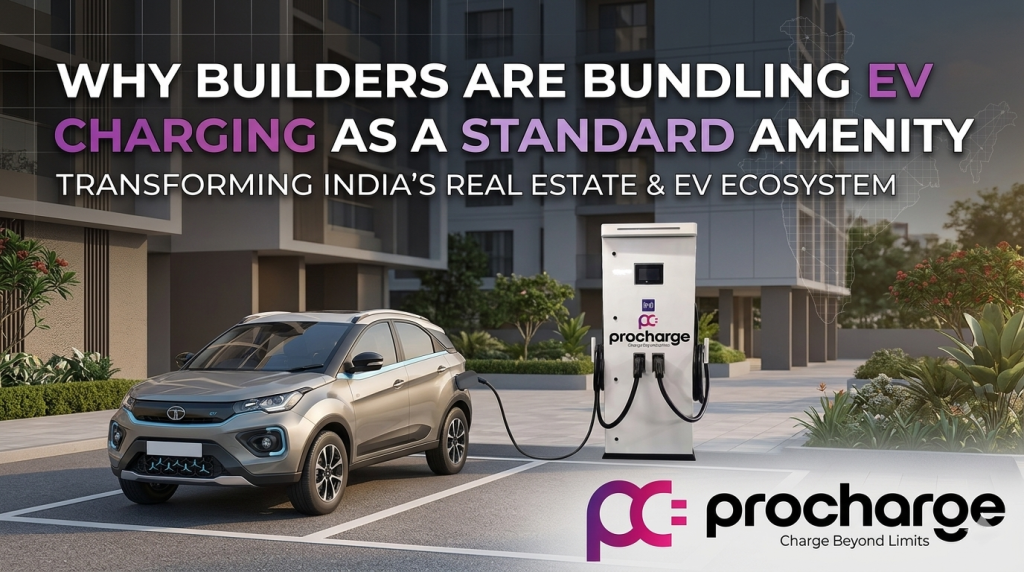
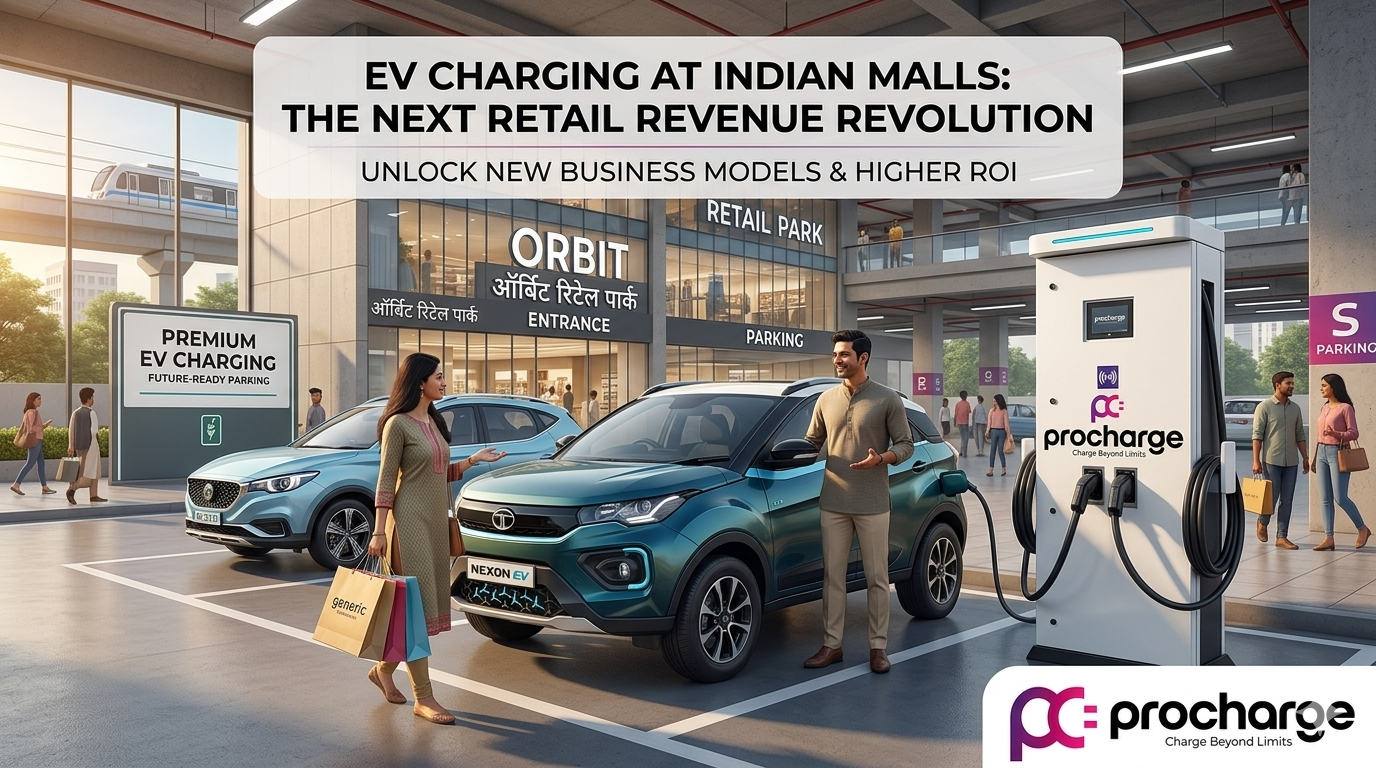
India’s EV ecosystem is rapidly evolving, and why builders are bundling EV charging as a standard aminities is becoming a key factor shaping the future of infrastructure and investment. As electric vehicles transition from a niche market to mainstream adoption, real estate developers are realizing that future-proofing their properties is no longer optional. This topic highlights a major shift in how EV charging is deployed, monetized, and scaled across India.
Here is an in-depth look at why the real estate sector is embracing EV charging and what it means for the market.
The Business Impact
Integrating EV charging into residential and commercial projects goes far beyond simply offering a perk to residents or tenants; it fundamentally alters the financial dynamics of a property. For operators and investors, this means better cost efficiency, new revenue streams, and scalable infrastructure models. By planning for EV infrastructure during the construction phase rather than retrofitting older buildings, developers can save significantly on electrical upgrades and cabling. Furthermore, these charging bays transform standard parking spaces into active, income-producing assets.
Key Opportunities
The shift toward standardized EV aminities opens up multiple strategic avenues for growth. The primary opportunities include:
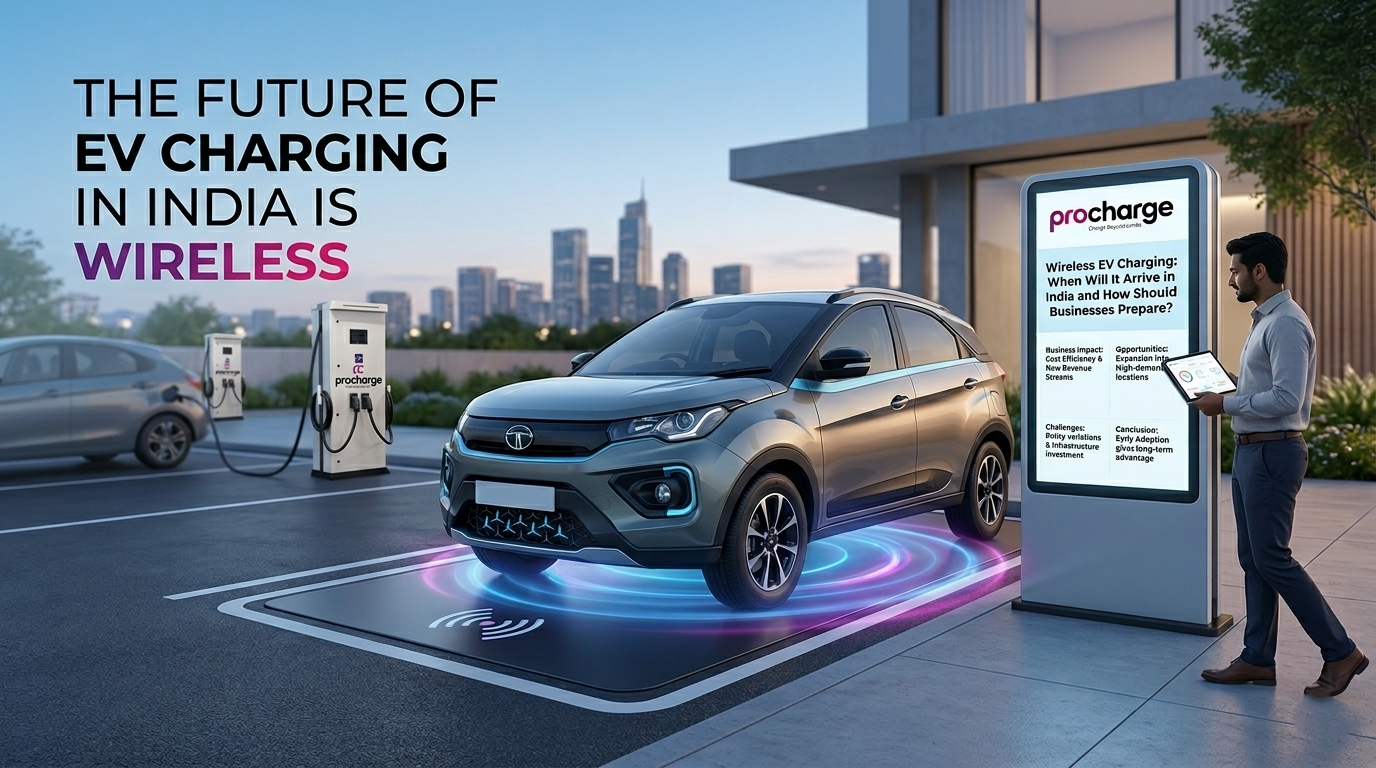
Expansion into high-demand locations: Builders can attract modern, eco-conscious buyers and tenants by offering ready-to-use EV infrastructure in prime real estate zones.
Increased ROI potential: Properties equipped with forward-looking amenities often command higher property values and premium rents, directly boosting the return on investment.
Strategic partnerships with property owners: Developers can form lucrative alliances with charging point operators and technology providers to seamlessly manage and monetize these networks.
Navigating the Challenges
While the benefits are substantial, deploying widespread EV infrastructure is not without its hurdles. Developers and operators must strategically manage the following challenges:
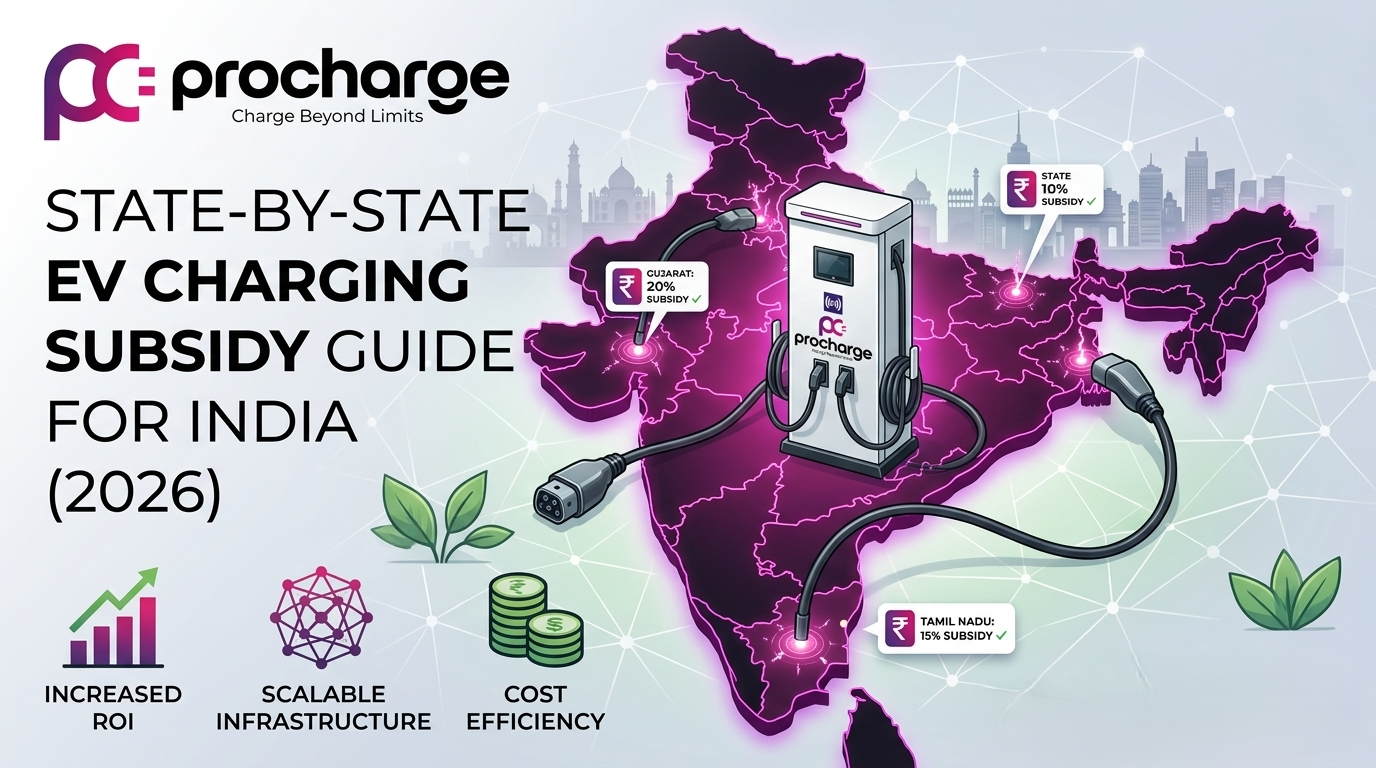
Policy variations across states: Because EV regulations and subsidies differ widely from one region to another, businesses must adapt their strategies to local compliance standards.
Infrastructure investment costs: The upfront capital required for high-capacity chargers, transformers, and grid upgrades remains a significant consideration for builders.
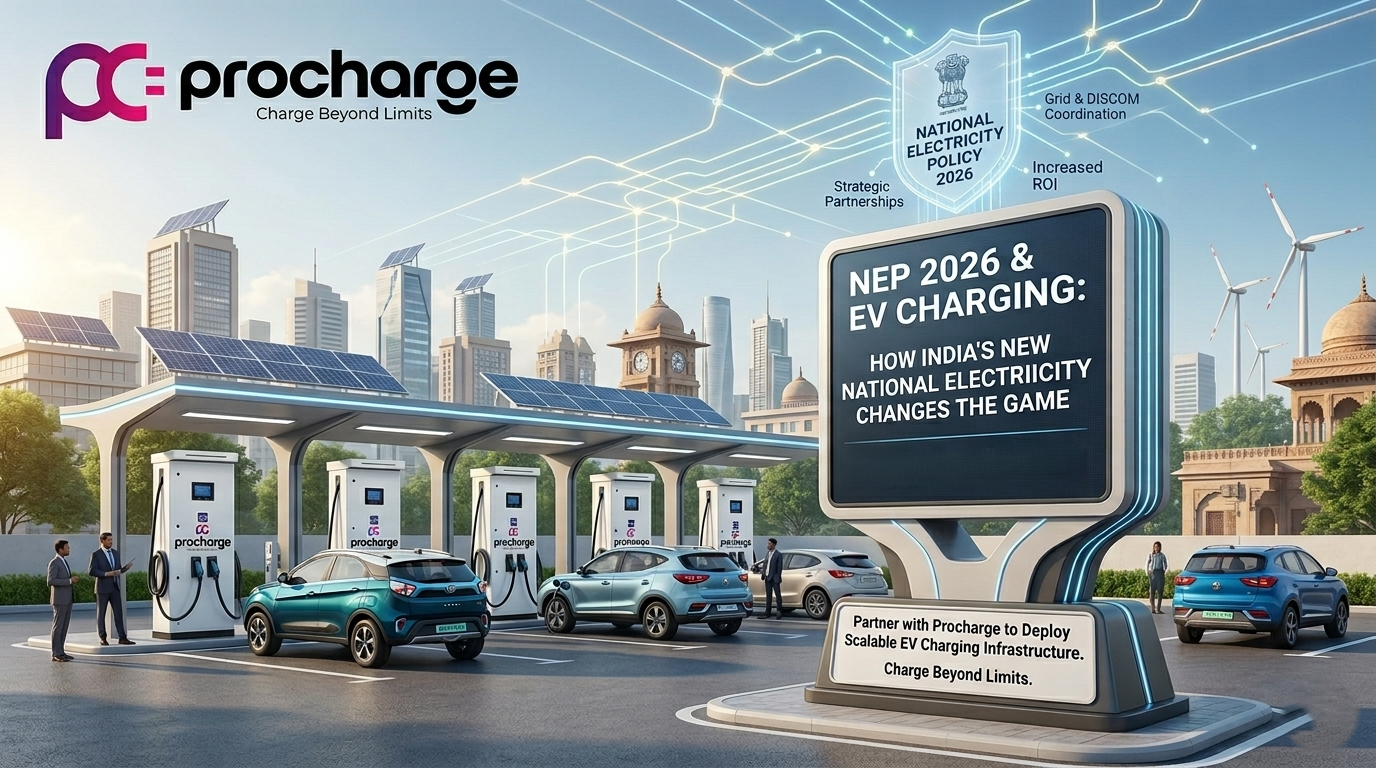
Grid and DISCOM coordination: Ensuring stable and adequate power distribution requires close and ongoing coordination with local utility providers.
Traditional vs. Modern EV Charging Models
The evolution of how we deploy chargers is critical to understanding this trend. When analyzing the market, traditional vs modern EV charging models show clear advantages in flexibility, pricing, and scalability.
| Feature | Traditional EV Charging | Modern EV Charging Models |
|---|
| Scalability | Limited; difficult to expand after initial installation. | Highly scalable; designed to grow alongside EV adoption. |
| Pricing | Fixed or static pricing models. | Dynamic pricing and flexible monetization strategies. |
| Flexibility | Rigid infrastructure setups. | Adaptable hardware and software solutions that integrate with building management systems. |
Key Insights for the Future
As the Indian real estate and transportation sectors intersect, several core truths are emerging:
EV charging is now a revenue-generating asset: It is no longer viewed as a sunk operational cost, but rather a strategic tool for generating continuous income.
Early adoption gives long-term advantage: Developers who integrate these systems now will capture the market of EV owners and outpace competitors who delay.
Policy support is accelerating growth: Favorable government initiatives and incentives are rapidly pushing the expansion of this necessary infrastructure.
Conclusion
The transition toward electric mobility is moving at an unprecedented pace. As buyer expectations shift, businesses that act early will benefit the most from this transition. Bundling EV charging as a standard aminities is a strategic move that enhances property value, meets modern consumer demands, and creates sustainable business models for the future.
Ready to future-proof your real estate projects? Partner with Procharge to deploy scalable EV charging infrastructure.