Overview
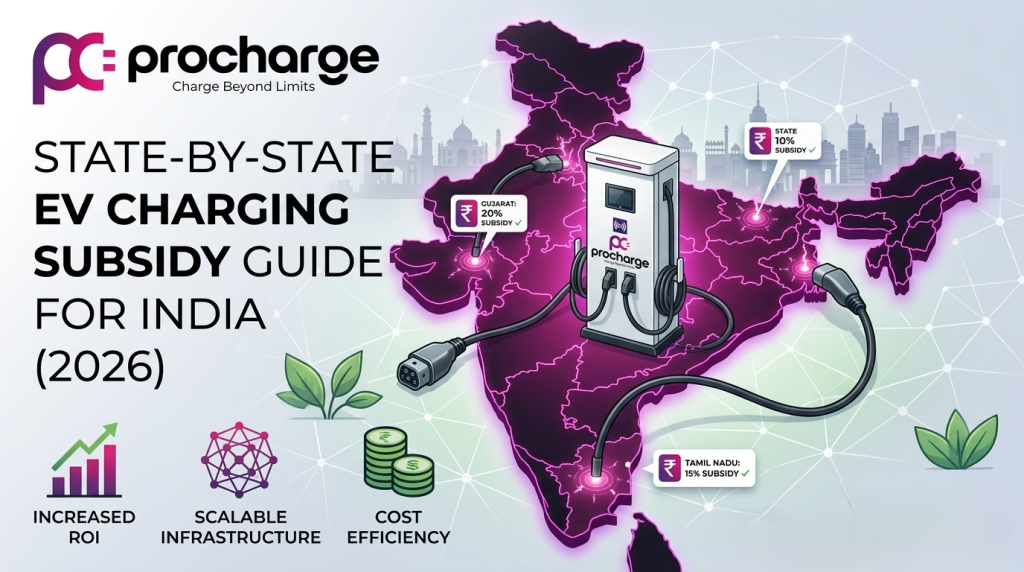
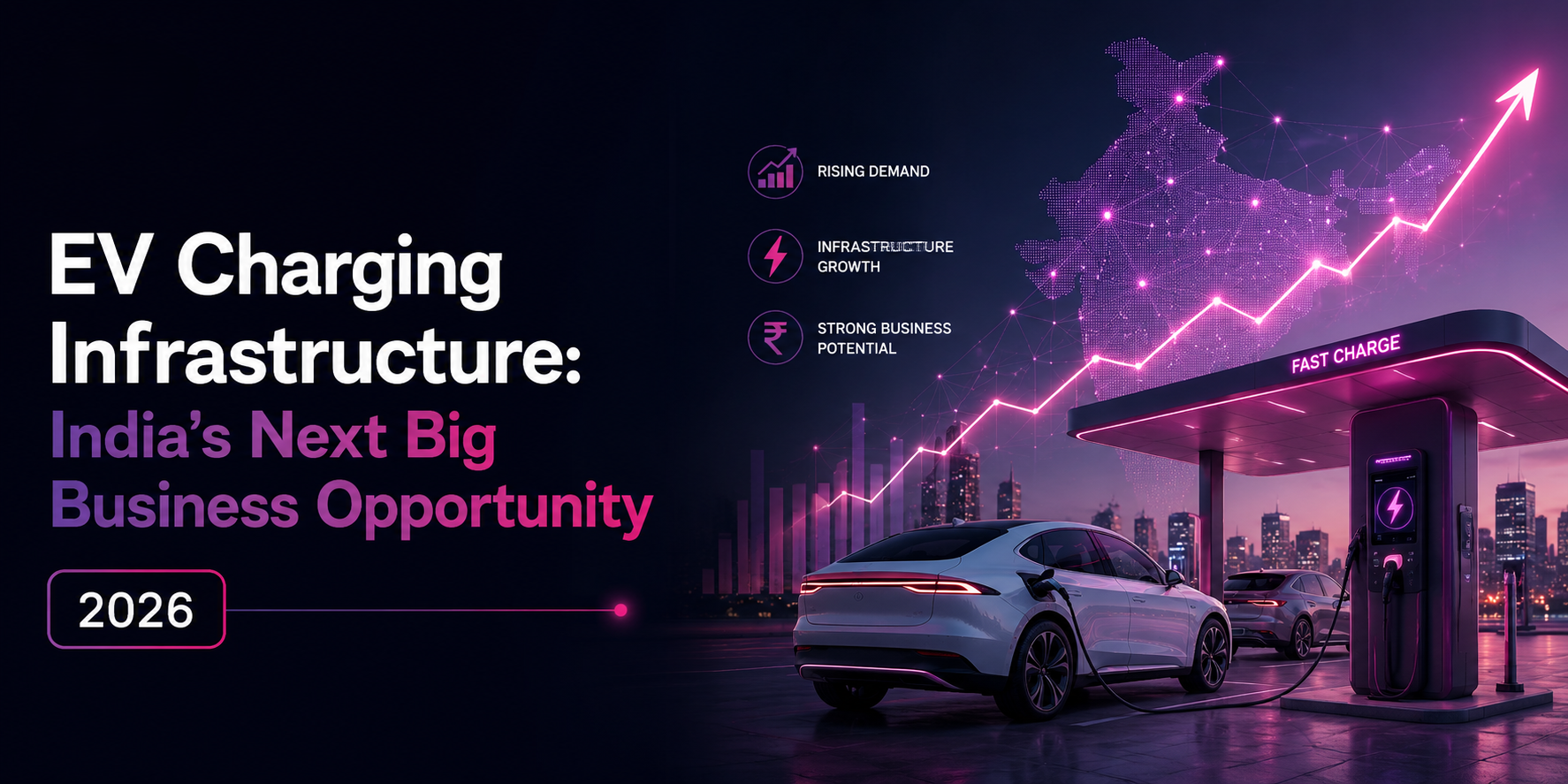
India’s EV ecosystem is rapidly evolving, and understanding the state-by-state EV charging subsidy guide for India (2026) is becoming a key factor shaping the future of infrastructure and investment. This topic highlights a major shift in how EV charging is deployed, monetized, and scaled across India. As regional governments aggressively push for greener mobility through tailored financial incentives, navigating these local policies is the key to unlocking scalable growth in the EV sector.
The Business Impact
For operators and investors, leveraging these state subsidies translates directly into better cost efficiency, new revenue streams, and the ability to build highly scalable infrastructure models. By significantly reducing the initial capital expenditure (CAPEX) through state grants and tax rebates, businesses can achieve a faster path to profitability. This allows companies to allocate more capital toward expanding their network footprint rather than just covering hardware and installation costs.
Opportunities for Growth
Capitalizing on the right state policies unlocks several distinct advantages for early movers:
-
Expansion into high-demand locations: Subsidies often incentivize building in strategic, high-traffic commercial corridors, highways, and urban centers.
-
Increased ROI potential: Lower upfront costs combined with growing EV adoption drastically improve profit margins and shorten the breakeven period.
-
Strategic partnerships with property owners: Reduced financial barriers make it easier to pitch profit-sharing models to commercial real estate owners, malls, and fleet hubs.
Navigating the Challenges
While the financial upside is clear, deploying infrastructure at scale comes with its own set of hurdles:
-
Policy variations across states: What works in Maharashtra might not apply in Karnataka or Delhi, requiring businesses to adapt to complex, customized regional strategies.
-
Infrastructure investment costs: Even with state backing, the initial outlay for high-capacity DC fast chargers and land acquisition remains significant.
-
Grid and DISCOM coordination: Securing adequate power loads and navigating local utility approvals can often cause deployment delays.
Traditional vs. Modern EV Charging Models
When comparing traditional approaches to modern deployments, today’s models show clear advantages in flexibility, pricing, and scalability. Older setups were often isolated and slow to generate profit. In contrast, modern, subsidized stations are smart-networked, allowing for dynamic pricing, remote monitoring, and a seamless user experience that maximizes utilization rates.
Key Insights for 2026
-
EV charging is now a revenue-generating asset: It has evolved from a basic consumer amenity into a highly lucrative, standalone business model.
-
Early adoption gives long-term advantage: Securing prime real estate and early-stage subsidies creates a strong competitive moat.
-
Policy support is accelerating growth: Government backing at the state level is actively de-risking the sector for private investors.
Conclusion
The financial landscape for building charging networks has never been more favorable. Businesses that act early will benefit the most from this transition, positioning themselves as leaders in India’s clean energy revolution.
Ready to scale? Partner with Procharge to deploy scalable EV charging infrastructure. Visit procharge.in today to explore tailored, B2B-optimized solutions.