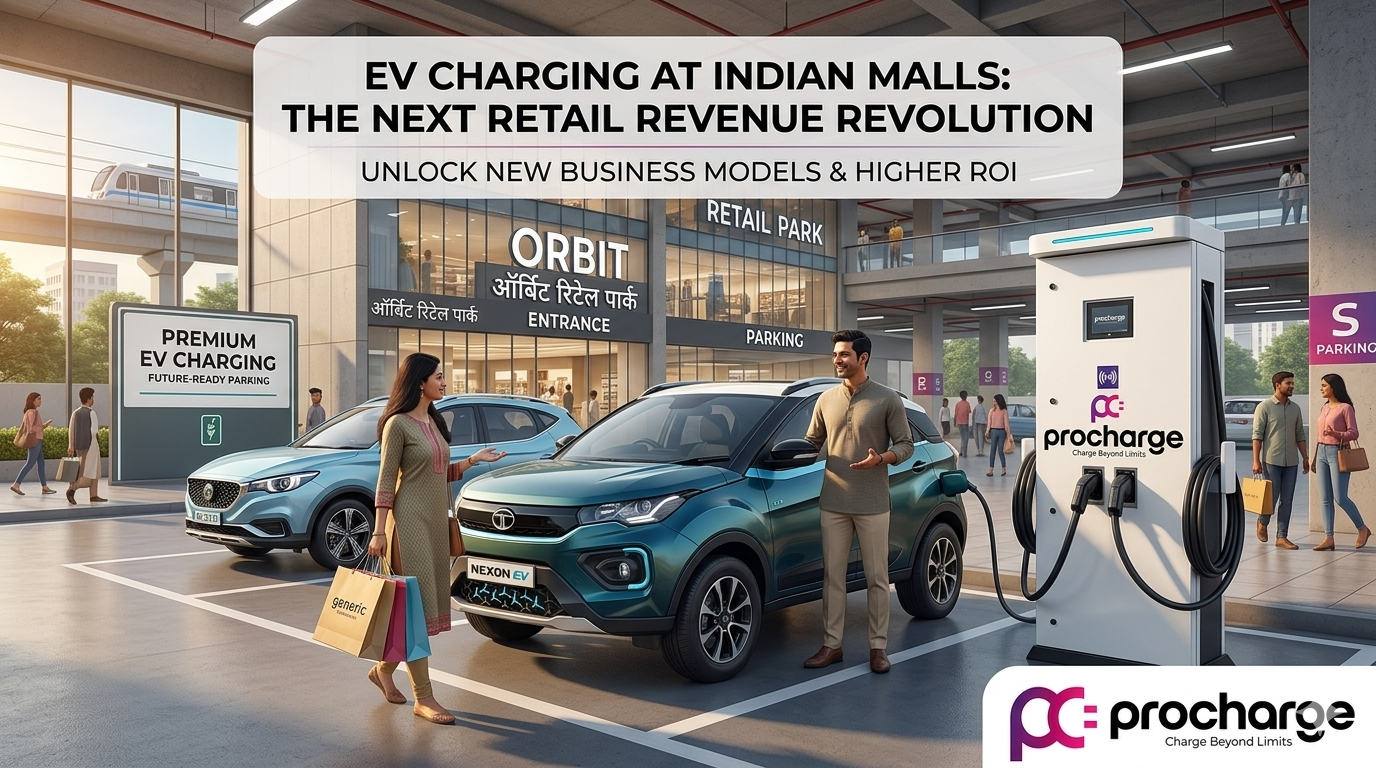
Overview
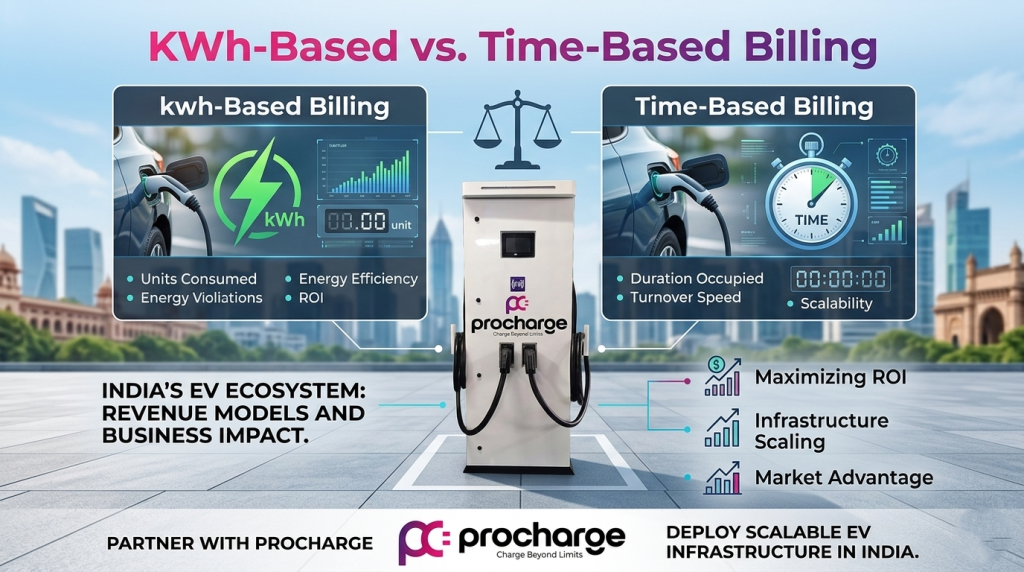
India’s EV ecosystem is rapidly evolving, bringing new opportunities and complex decisions for infrastructure developers. As the market matures, understanding the dynamics of kwh-based vs. time-based billing—and identifying which revenue model works best—is becoming a key factor shaping the future of infrastructure and investment. This topic highlights a major shift in how EV charging is deployed, monetized ,EV charging calculator and scaled across India, moving from experimental setups to robust, profit-driven business models.
Business Impact
Selecting the right billing structure goes far beyond a simple operational choice; it dictates the financial viability of a charging station. For operators and investors, this means better cost efficiency, new revenue streams, and scalable infrastructure models. By aligning the billing method with the specific use case of the location—such as fast transit hubs versus long-term workplace parking—businesses can maximize their asset utilization and ensure a steady return on investment.
Opportunities in the EV Space
Choosing an optimized revenue model unlocks several strategic growth avenues:
Expansion into high-demand locations: Tailored billing allows operators to confidently deploy chargers in high-traffic commercial zones and highway corridors.
Increased ROI potential: By charging customers fairly and efficiently, operators can boost utilization rates and accelerate their break-even point.
Strategic partnerships with property owners: A clear, profitable revenue model makes it easier to pitch collaborations to malls, corporate parks, and residential complexes.
Industry Challenges
Despite the massive potential, operators must navigate several hurdles when establishing their billing frameworks:
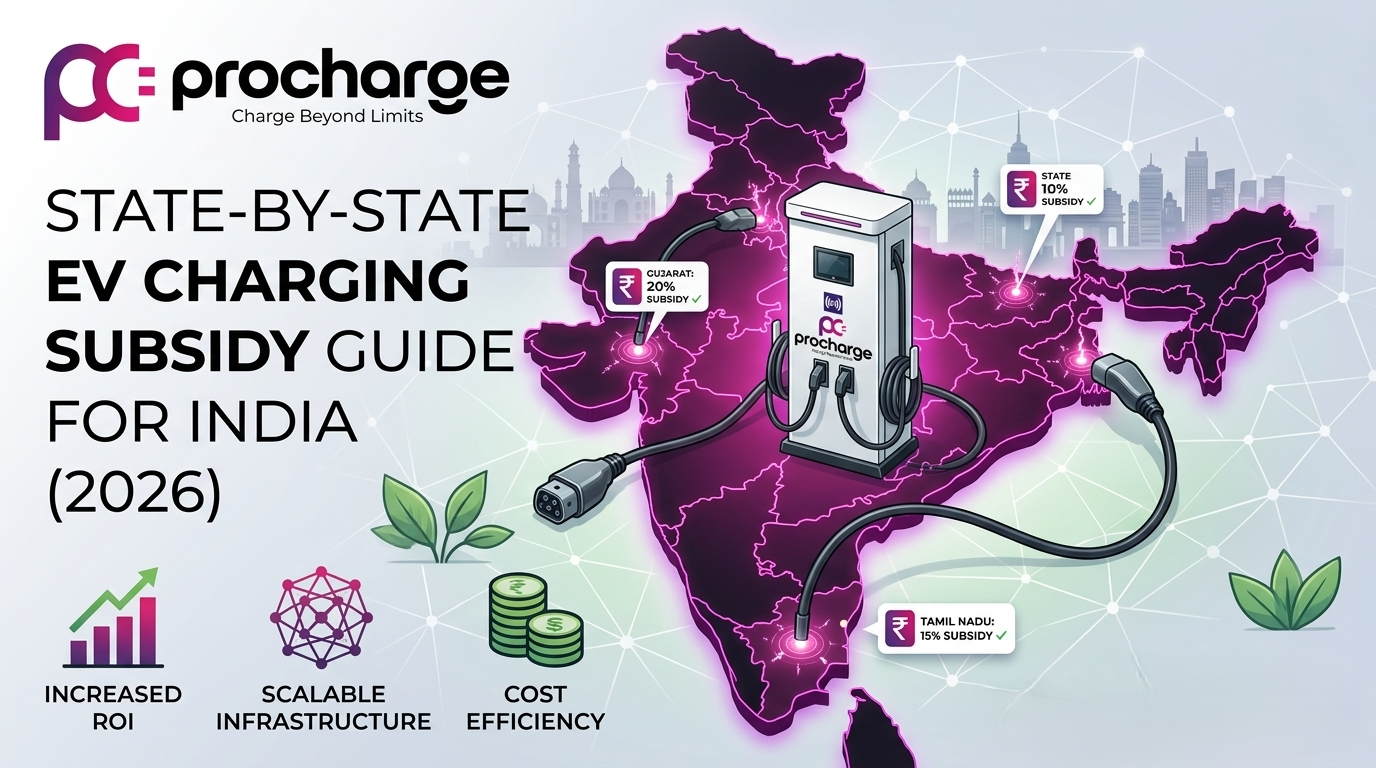
Policy variations across states: Differing regulations regarding electricity resale and EV tariffs can complicate standardized billing rollouts.
Infrastructure investment costs: The initial CapEx for high-end chargers equipped with advanced, real-time smart billing meters remains significant.
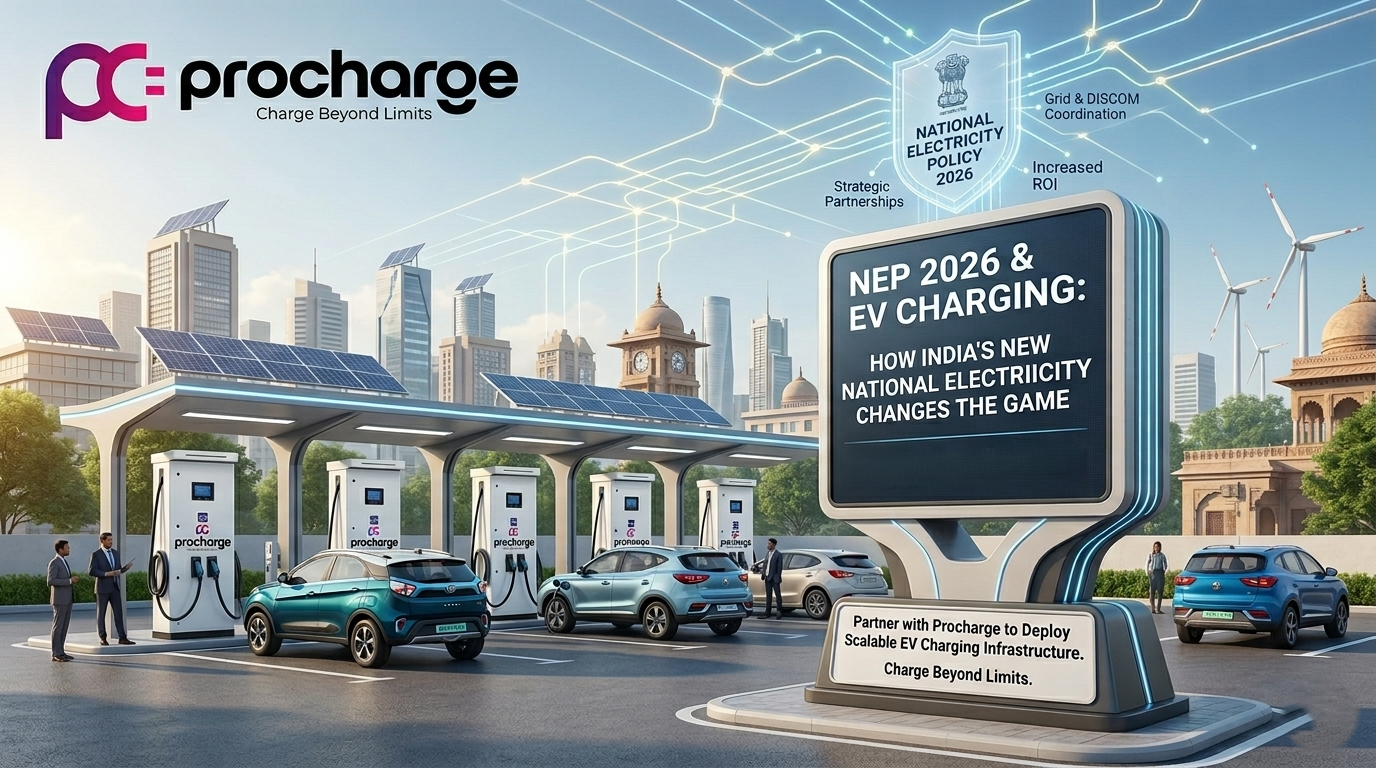
Grid and DISCOM coordination: Securing the necessary power loads and negotiating favorable commercial tariffs with local distribution companies requires strategic planning.
Model Comparison: Traditional vs. Modern
Traditional vs Modern EV Charging Models show clear advantages in flexibility, pricing, and scalability. Here is a breakdown of how the two primary billing strategies compare:
| Feature | kWh-Based Billing | Time-Based Billing |
| Core Metric | Bills the user for the actual energy (units) consumed. | Bills the user for the total minutes/hours plugged in. |
| Fairness | Highly transparent; users pay exactly for what goes into their battery. | Can be inconsistent, as charging speeds naturally drop as the battery fills up. |
| Best Use Case | DC Fast Charging stations, public transit hubs, and commercial fleets. | AC Slow Charging, overnight residential parking, and workplaces. |
| Turnover Management | May require supplementary “idle fees” to prevent users from hogging the spot after fully charging. | Naturally encourages drivers to unplug and move their vehicles once their time is up. |
Key Insights
EV charging is now a revenue-generating asset: It has transitioned from a basic amenity to a standalone, profitable business vertical.
Early adoption gives long-term advantage: Securing prime real estate and establishing consumer trust early will dictate market leaders.
Policy support is accelerating growth: Government subsidies and favorable regulations are making it easier to deploy financially viable charging networks.
Conclusion
The debate between kWh-based and time-based billing ultimately depends on the specific location, charger type, and target audience. However, the overarching trend is clear: the infrastructure network is expanding at an unprecedented rate. Businesses that act early will benefit the most from this transition, securing a lucrative foothold in India’s green mobility future.
Partner with Procharge to deploy scalable EV charging infrastructure. Visit procharge.in to explore B2B partnership opportunities and optimize your revenue models today.