Top Locations to Install EV Charging Stations for Maximum Utilization
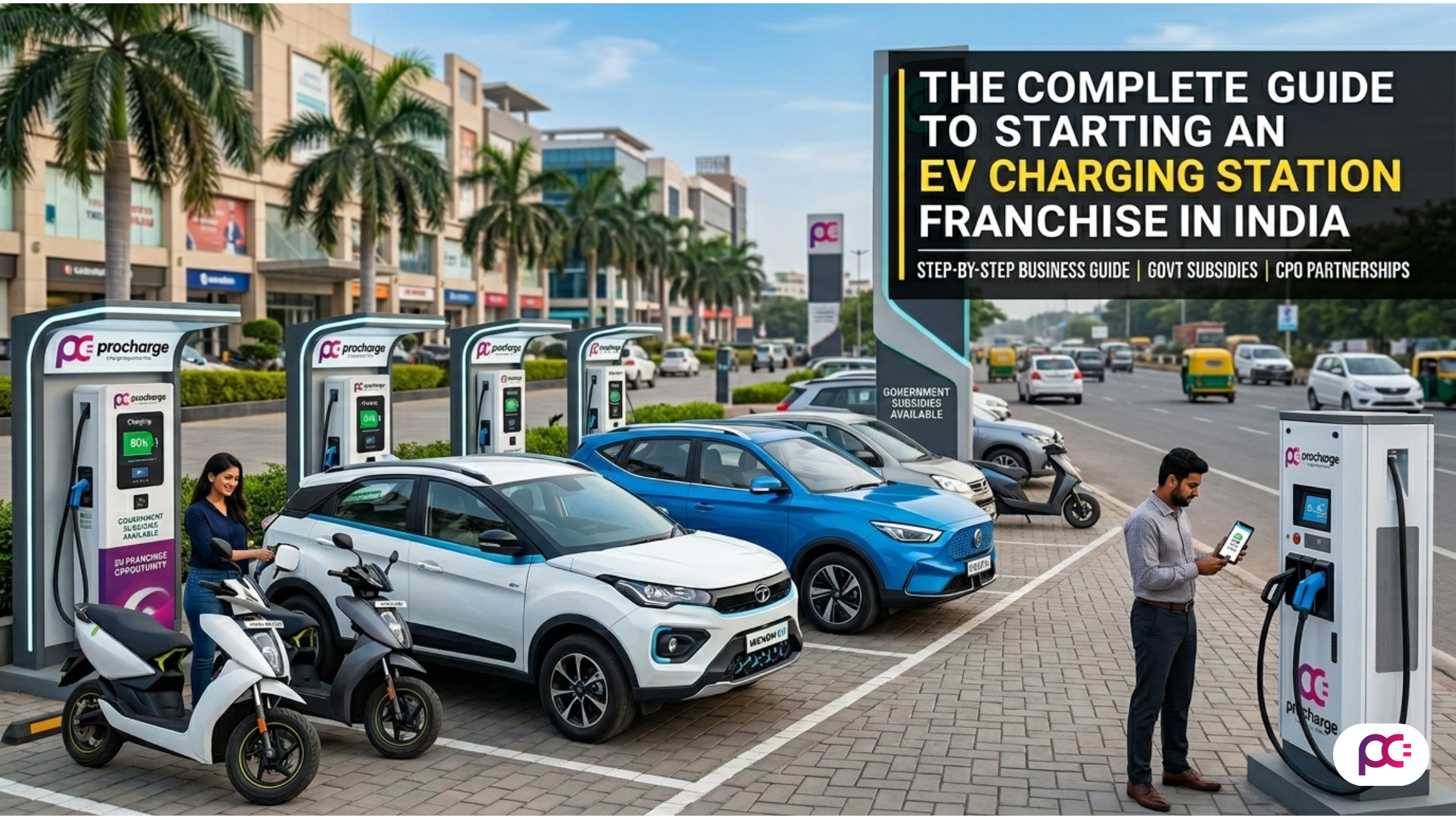
The surge in electric vehicle (EV) adoption across India has created a massive demand for charging infrastructure.
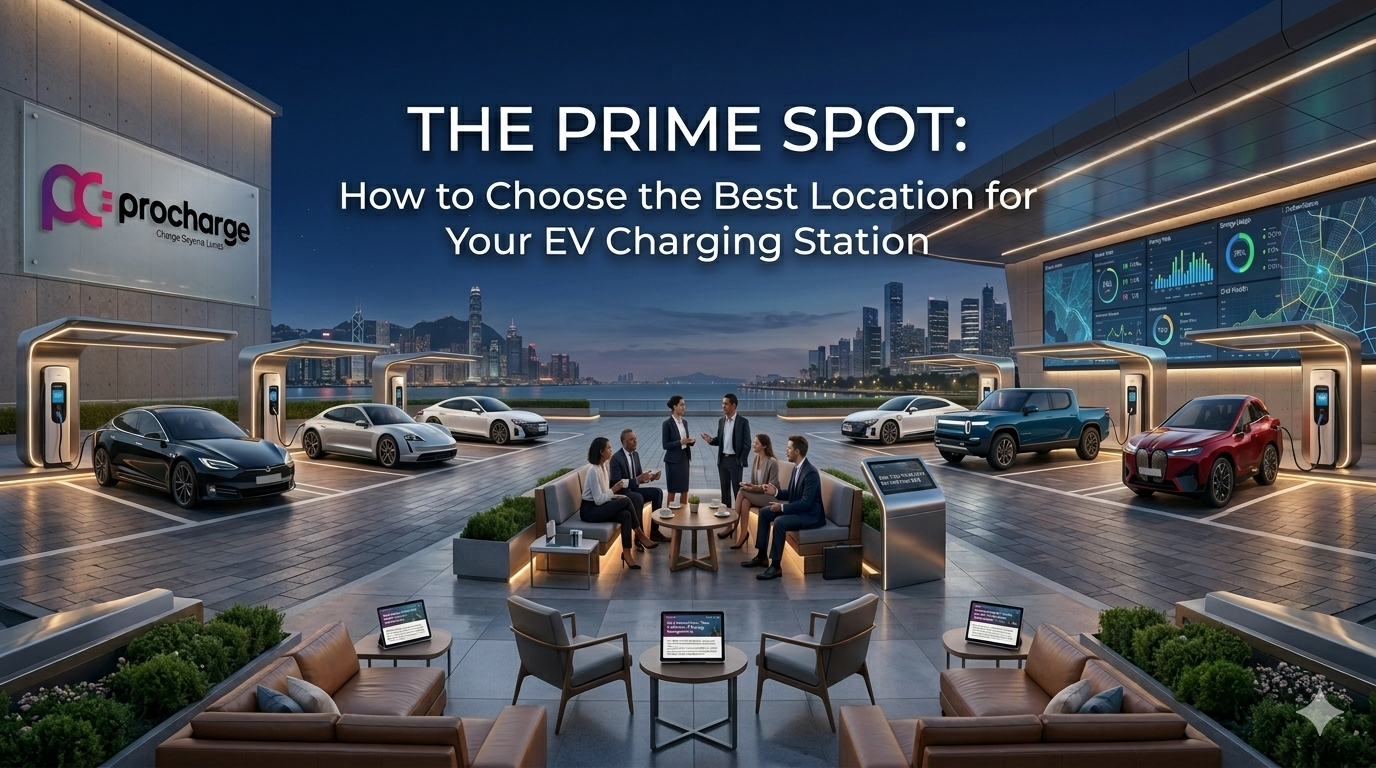
However, for a Charge Point Operator (CPO) or a private investor, the difference between a high-ROI station and a “ghost station” often comes down to one factor: Location.
Strategic site selection is no longer just a guess. In 2026, data-driven placement is the only way to ensure maximum utilization and faster break-even.
Here is the definitive list of the best locations to install EV charging stations in India.
1. High-Traffic National Highways (Transit Corridors)
Highways remain the highest-priority locations due to range anxiety on long-haul trips.
With the PM E-DRIVE scheme focusing heavily on charging corridors, highway pumps are seeing the most consistent traffic.
Strategy
• Install 60kW to 150kW DC Fast Chargers
• Place chargers every 25–40 km
Prime Routes
• Delhi – Jaipur
• Mumbai – Pune
• Bengaluru – Chennai
• Lucknow – Agra Expressway
Why it works
Inter-city travelers and taxi fleets need a quick 30-minute top-up to continue their journey.
2. Shopping Malls & Retail Clusters
In 2026, destination charging has become a lifestyle. Drivers prefer locations where they can charge while they shop.
Strategy
• Mix of 22kW AC chargers
• 60kW DC chargers for quick errands
Key Advantages
• High security
• Proper lighting
• Existing power infrastructure
• Lower installation cost
Utilization Peak
• Weekend afternoons
• Weekday evenings
3. Metropolitan CBDs & Office Complexes
With corporate India mandating ESG (Environmental, Social, and Governance) goals, office parks are becoming EV hubs.
Strategy
• Install Level 2 AC chargers (7.4kW – 22kW)
Since employees park for 8–9 hours, fast charging is not a priority here.
Target Areas
• Cyber City – Gurugram
• Whitefield – Bengaluru
• BKC – Mumbai
• HITEC City – Hyderabad
Why it works
Predictable daily usage from corporate professionals.
4. Residential High-Rises & Gated Communities
A major hurdle for urban EV owners is the lack of home charging. Several states have already mandated charging points in new residential projects.
Strategy
• Shared 7.4kW AC chargers
• App-based billing system
Opportunity
Partner with Resident Welfare Associations (RWAs) to install chargers in common parking areas.
Profit Model
• Recurring monthly revenue
• Low maintenance costs
5. Logistics Hubs & Fleet Depots
The B2B EV sector is rapidly growing in India. Companies like Amazon, Flipkart, Zomato, and Swiggy are transitioning to electric delivery fleets.
Strategy
• High-capacity charging hubs
• Multiple ports (CCS2 and GB/T connectors)
Ideal Locations
• Warehouses
• Dark stores
• Airport cargo terminals
Why it works
Fleet vehicles return to base at night ensuring near 100% utilization.
Site Selection Checklist
Factor – Requirement – Impact on Profit
Grid Capacity – 100kVA+ load – Reduces transformer installation cost
Dwell Time – 30 mins to 4 hours – Higher dwell time increases additional sales
Accessibility – 24/7 access – Can increase utilization by 40%
Safety – CCTV and good lighting – Encourages family travelers
The “Ancillary Revenue” Multiplier
Maximizing utilization is not just about the charger but also the ecosystem.
The most profitable stations are located near:
• Quick Service Restaurants (Starbucks, McDonald’s, etc.)
• Clean washrooms
• Wi-Fi zones
• Cafes or rest areas
These services encourage drivers to stay longer and spend more.
Conclusion: The Future is Data-Driven
In 2026, the best EV charging station location is not just the busiest one. The key is matching charger type with user behavior.
If you own land in a Tier-1 city or along a national highway, now is the ideal time to invest in EV infrastructure and benefit from government incentives.
The shift from traditional land ownership to EV infrastructure development is already underway.